

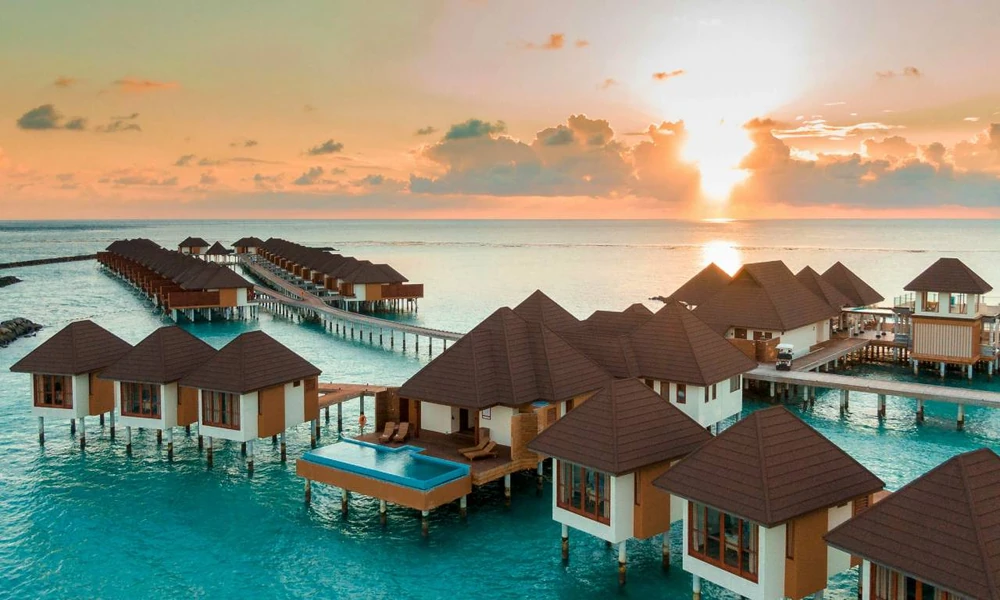
A sandbank excursion in the Maldives drops you on a strip of bare sand in the open ocean, with nothing but water around you. Shared trips run about 30 to 80 US dollars per person (approx.). Private charters cost more. Go at low tide, bring shade, and pack out everything you carry in.
What is a sandbank excursion in the Maldives?
A sandbank is a low mound of sand sitting on its own in the shallows. No trees, no buildings, just a bright curve of sand ringed by warm, shallow water. On an excursion, a boat carries you out from your resort or guesthouse island and leaves you there for a couple of hours. You swim, snorkel the edges, walk the whole thing in a few minutes, and feel like the only people for miles. Most sandbanks sit inside their home atoll, a 15 to 40 minute boat ride from the nearest island.
How much does a Maldives sandbank trip cost?
Prices swing a lot depending on how you book. As of early 2026, here is the range I keep seeing:
- Shared group trip from a local island guesthouse: about 30 to 80 US dollars per person. You share the boat and the sandbank with other guests.
- Private boat charter: roughly 150 to 600 US dollars for a small group, depending on boat size and distance.
- Resort private setup with a picnic or a table for two: 200 to over 1,000 US dollars per couple.
Ask what the price includes before you pay. Some quotes cover only the boat transfer, while others add snorkel gear, water, a packed lunch, and a beach umbrella. Rates shift by season and island, so confirm the current figure and the inclusions with your own operator.
Private vs shared: which sandbank trip should you pick?
Short answer: shared for value and company, private for control and quiet.
A shared trip is the easy, friendly choice. You pay less, you meet other travellers, and the guesthouse handles everything. The trade-off is timing. You go when the group goes, and you leave when they leave.
A private charter costs more but hands you the day. You pick the departure time, the sandbank, and how long you stay. If you want photos without strangers in the frame, or a quiet morning with your partner, private earns its price. Couples on honeymoon and keen photographers almost always prefer it.
When is the best time to go? Tides and time of day
Go at low to mid tide, in the dry season, early in the day. That single sentence covers most of it.
Sandbanks are shaped by the tide. At high tide many shrink or slip under the water, then reappear as the tide drops. A good operator checks the tide table and plans around it, but it is worth asking directly: will the sandbank be above water when we arrive?
The dry season, roughly November to April, brings calmer seas and clearer water, which makes the whole trip smoother and better for snorkeling. Early morning beats midday too. The light is softer, the sand is cooler underfoot, and you dodge the fiercest sun.
What about shade? There usually is none
Plan for zero natural shade. A sandbank has no trees and no shelter, so whatever cover you get is what the boat brings.
On resort and private trips, the crew often sets up a beach umbrella or a small gazebo. On budget shared trips, you may get nothing. I always pack a wide hat, a rash guard, and reef safe sunscreen, and I still find a shadeless sandbank punishing by 11 am. If anyone in your group burns easily, confirm shade before you book, or bring a pop up sun shelter of your own.
How do you get good photos on a sandbank?
Shoot early, shoot from high, and keep gear off the sand. Morning light is kinder and the sand looks its cleanest before dozens of footprints cross it.
A few things that work for me:
- Bring a small drone if the rules allow it. The overhead shot of a lone sandbank is the one everyone wants.
- Carry a dry bag and a microfibre cloth. Fine sand and salt spray ruin lenses fast.
- Ask your boat crew to pull away slowly for a wide shot with you standing alone on the sand.
- A polarising filter cuts glare off the water and deepens the blue.
What food and drinks are included?
It depends entirely on the package. Many private and resort trips lay out a picnic, a barbecue, or a table for two for couples. Shared guesthouse trips often include only water or a light snack, so ask first.
Bring more water than you think you need. Two hours on open sand with no shade dries you out quickly. If you have allergies or want halal only options, mention it when you book. Most Maldivian operators cater to it easily, since the country is Muslim.
Sandbank etiquette: leave it exactly as you found it
The rule is simple: take only photos, leave only footprints. Sandbanks are living parts of the reef system and they damage easily.
A few things to hold to:
- Carry out every scrap of rubbish, including fruit peel and bottle caps. There are no bins out there.
- Do not take sand, shells, or coral. Removing coral is illegal in the Maldives, and shells are homes for small creatures.
- Use reef safe sunscreen free of oxybenzone and octinoxate. Ordinary sunscreen harms the coral you came to see.
- Do not feed the fish or chase turtles and rays. Keep a calm distance.
- Skip smoking on the sand, and never pour drinks or waste into the water.
That is the whole trip in practice. A boat, a strip of sand, a few hours of quiet, and a bit of care so the next visitor sees it the same way you did.
FAQ
Are sandbank excursions worth it in the Maldives?
Yes, for most people. Standing on a tiny island of sand with water on every side is one of the few Maldives experiences that lives up to the photos. It pays off most if you go early, avoid crowds, and pick a trip that includes shade and water.
Do sandbanks disappear at high tide?
Many do, partly or fully. Sandbanks shift with tides and currents, and some slip under the water at high tide. Always ask your operator to plan the visit around low or mid tide.
How long do you spend on a sandbank?
Usually one and a half to three hours. That is enough time to swim, snorkel the edges, walk the sandbank, and take photos before the sun gets harsh or the tide turns.
What should I bring to a sandbank in the Maldives?
Reef safe sunscreen, a hat, sunglasses, a rash guard, plenty of water, a dry bag for your phone or camera, and your own snorkel gear if you have it. Add a light sun shelter if your trip comes with no umbrella.
Can you snorkel at a sandbank?
Often yes. Many sandbanks sit near reef edges with good marine life in the shallows. Confirm with your operator, since some sandbanks are pure sand with little reef nearby.
Plan your sandbank day
Want to plan your own sandbank day and find the right atoll for it? There is plenty more to help you at https://maldivestourism.org/
