

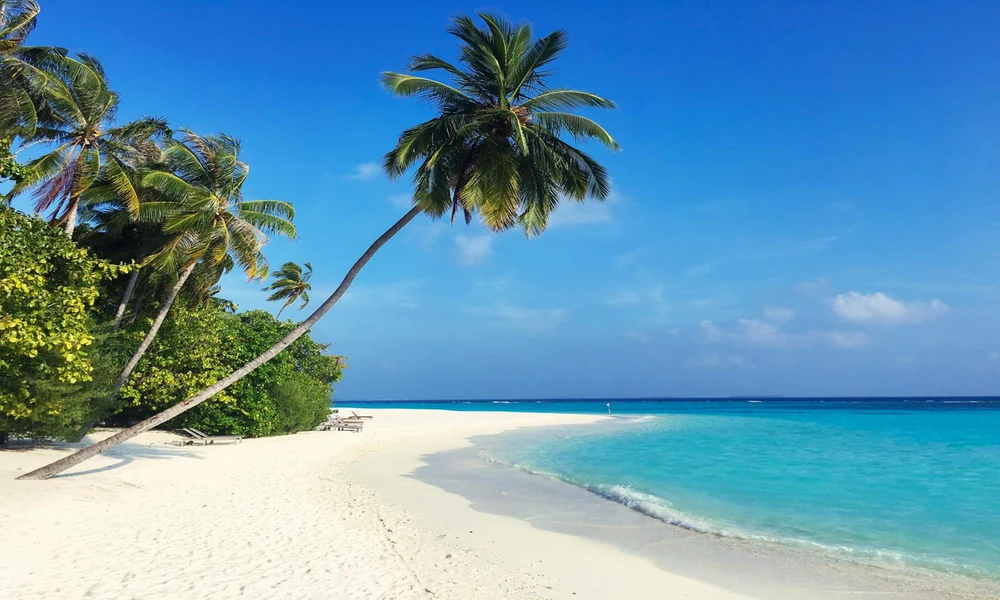
Rangat Andaman is a quiet town in Middle Andaman, about 170 km by road from Port Blair. Give it four days and you get turtle-nesting beaches, a 713-metre mangrove walkway, freshwater streams and near-empty coves. It suits travellers who want real calm over resorts and crowds, and who don’t mind an early start.
Why visit Rangat in Middle Andaman?
Rangat sits between Baratang and Mayabunder, roughly halfway up the island chain. Most tourists blow straight past it on the way to Diglipur. That is exactly why it stays calm.
You come here for empty beaches, mangrove creeks and turtles, not water sports and beach shacks. If you have already done Havelock and Neil and want something slower, Rangat gives you space to breathe.
How do you reach Rangat from Port Blair?
Rangat is about 170 km by road and roughly 90 km by sea from Port Blair. You have three realistic ways to get there:
Government bus: leaves early from Aberdeen Bus Depot in Port Blair, often around 4:30 AM, and takes close to 8 hours. Cheapest option (as of 2026).
Private AC and non-AC buses: a similar 8-hour run along the Andaman Trunk Road, with a bit more comfort.
Government ferry: a sea route of about 5 to 6 hours, and some Havelock or Neil ferries also call at Rangat. Sailings change often, so confirm before you plan.
The road crosses the Jarawa Tribal Reserve. Vehicles move in a guided convoy from the Jirkatang check post, and stopping, photography or any contact with the Jarawa community is strictly banned. Two short vehicle ferries at Middle Strait and Yerrata break up the drive, so build in buffer time.
What is the ideal 4-day Rangat itinerary?
Here is how I split four days to see the best of Rangat without feeling rushed.
Day 1: Arrive and settle in
After the long ATR drive you will likely reach by afternoon. Rest, then walk over to Amkunj Beach on the edge of town. It has an eco park with huts and shaded seating built after the 2004 tsunami. Sunset here is quiet, local and free of touts.
Day 2: Dhaninallah mangrove walkway and turtles
Drive about 20 km to the Dhaninallah Mangrove Nature Walkway, a 713-metre wooden boardwalk that winds through thick mangroves to Dhaninallah Beach. This stretch is a known turtle nesting ground. Go early morning for birdsong, cooler air and soft light on the water.
Day 3: Cuthbert Bay or a Long Island hop
Cuthbert Bay Beach sits roughly 8 to 12 km toward Mayabunder and is one of the main turtle nesting beaches in the area. From Yerrata jetty you can instead take a short ferry to Long Island, a car-free island with the lovely Lalaji Bay Beach. Pick one based on the day’s ferry timing.
Day 4: Streams, falls, then home
Before you leave, dip your feet at Moricedera, an eco-tourism spot with a clear freshwater stream, or chase Panchvati Falls if the season still has water in it. Then start the drive or ferry back toward Port Blair.
When is the best time to visit Rangat?
December to March is the sweet spot: dry days, calmer seas and clear skies. If turtles are your reason to come, nesting on beaches like Dhaninallah and Cuthbert Bay runs roughly November to February, with December to February the busiest window.
Skip the June to September monsoon, when the ATR drive turns rough and ferries get unreliable. April and May are hot and sticky but still workable if you start days early and rest at midday.
What do most travellers get wrong about Rangat?
After a few trips up the ATR, these are the things I wish someone had told me plainly before my first visit to Rangat. They are small, but they change your whole trip.
First, do not treat Rangat as a day trip. The 8-hour drive each way eats two full days if you try to rush it, and you end up seeing a bus window instead of the islands. Stay at least two nights, three if you want Long Island in the mix. The town is slow on purpose, and fighting that pace is the fastest way to a bad trip.
Second, turtle nesting is not a scheduled show. Turtles come ashore at night during the season, and forest guards manage the sites at Cuthbert Bay and Dhaninallah. Ask your host to check with the Cuthbert Bay hatchery about recent activity before you plan a whole evening around it, and follow the guards’ instructions on lights and distance.
A few more practical things I learned the hard way:
- Carry cash. ATMs are few and often out of service this far up the ATR, and card machines are rare outside a couple of shops.
- Network is patchy. BSNL works best in and around town; Airtel and Jio drop out quickly once you move.
- Fill fuel in Rangat town. Petrol pumps thin out as you head toward Mayabunder and Diglipur.
- Book your government bus seat a day ahead at the depot counter. The early departure fills fast in season.
- Pack a torch, mosquito repellent and light rain cover, even in the dry months. Power can flicker in the evenings.
Where should you stay and eat in Rangat?
Rangat town has simple guesthouses and a few government and private lodges, not resorts. The tourism guesthouse (Hawksbill Nest style APWD stays) is a common pick, and rooms are basic but clean, so set your expectations before you book.
For food, small dhabas near the bus stand serve fresh fish, rice and honest thalis at fair prices. Do not expect cafes or continental menus. Eat what is fresh and local, and you will eat well.
Planning your Andaman trip with andamantourism.org
Rangat rewards planning, because the convoy windows, vehicle ferries and turtle season all shift through the year. andamantourism.org is a local, Andaman-based operator with people on the ground who know when the ATR convoy runs, which vehicle ferry is working that week, and when the turtles are actually nesting.
That kind of on-ground detail, from hotel contacts in Rangat to real ferry timings, is hard to pull from a mainland travel desk. A local operator saves you the guesswork on exactly the parts of a Rangat trip that catch first-timers out.
Rangat Andaman FAQ
Is Rangat worth visiting?
Yes, if you want quiet nature over nightlife. Rangat is for slow days, empty beaches, mangroves and turtles, not parties or packed water-sports jetties.
How many days do you need in Rangat?
Two to four days is the sweet spot. Two nights cover the main beaches and the mangrove walkway; four days let you add Long Island and a stream or waterfall without rushing.
Do you need a permit for Rangat?
Indian nationals do not need a special permit for Rangat. Foreign nationals should check current Restricted Area Permit rules for the Andamans before travel, as they change.
Can you see turtles in Rangat?
Yes, in season. Turtles nest at night on beaches like Dhaninallah and Cuthbert Bay, roughly November to February, and forest guards manage the sites. Sightings are never guaranteed.
Is there a mobile network and ATMs in Rangat?
Both are limited. BSNL is the most reliable network, other operators are patchy, and ATMs can be down, so carry enough cash from Port Blair.
Ready to plan your Rangat trip?
For detailed Rangat itineraries, ferry timing help and honest offbeat Andaman planning, explore www.andamantourism.org and start your Middle Andaman trip the easy way.
